Monday, June 30, 2008

Can You Offer a Home to a Pair of Crocodiles?


Yeah, me neither. But if you know someone who can, Cypress Gardens in South Carolina is having to rehome a couple dozen crocs due to budget cuts. The Crocodile Isle (I just love saying that) Vet would like to keep breeding pairs together.

Note: Photo is just a sample. Your actual crocs may vary.

Sunday, June 29, 2008

Pet Food Ingredient Breakdown - #2

Today, I looked at a new, AAFCO approved food on the market for dogs. It contains all the usual advertising tags which make me suspicious: "100% complete and balanced", "No fillers", "High quality proteins", etc. Here are the first seven ingredients leading up to the first source of fat:

1. Rice Flour - This is the main ingredient of the only food you want me to feed my dog - rice flour? Isn't that better used for making gluten-free baked goods or something? Flour comes in a sack and it's all powdery. My dog doesn't want that as the main ingredient in his dinner! And I question the quality of any flour sold for use in pet food. I assume that like many other pet food ingredients, it's of lower quality than the flour sold for human consumption in my local grocery store. Exactly how much nutrition is my dog supposed to get from this pet food grade sack of flour? The "no fillers" claim isn't sounding so truthful right about now.

2. Chicken By-Product Meal - This is a euphemism for things such as chicken heads, feet, intestines, lungs, etc. If you don't know (or won't say) what exactly you are putting in this food, don't expect me to feed it to my pets.

3. Meat Broth - What kind of "meat"? A hodgepodge of condemned carcasses that were covered in charcoal to distinguish that they are unfit for human consumption? Or is it something else, just as disgusting? Again, if you either don't know or won't tell - I won't be feeding it.

4. Wheat Flour - See my powdery complaint above.

5. Glycerin - I was reading an article about how excited the pet food industry is about using glycerin - a waste product of the bio-fuel industry - in their products. Me, I was a little less excited.

6. Corn Gluten Meal - Another waste product obtained from the manufacture of corn syrup - not an ingredient I'm inclined to sustain my pet's life and health on.

7. Corn Flour - Enough with the sacks of powder already - my dog wants some real food!

Overall product ingredients review: 4 paws down! Despite claims of "premium nutrition", there is not one ingredient appropriate for a dog's main meal among the first seven ingredients. And the product itself is far more expensive than many on the market. What exactly are we buying?

***

Related Bit: A group of pet owners have filed a lawsuit against several pet food companies and chain retailers claiming false advertising regarding the wholesomeness of pet foods. I'll be following this case with interest.

Thursday, June 26, 2008

Feeling Do-Goodish? How About AniMeals?


AniMeals is a community service, sometimes associated with local Meals-On-Wheels programs, which aims to keep low income families and/or senior citizens and their pets together. The programs vary but generally they provide pet food, sometimes kitty litter and toys as well, to those in need. There are a number of AniMeals programs around the country and probably many which don't have websites. They not only need pet food donations but delivery drivers (and possibly webmasters!) too. Here is a list of some I found online, grouped by region:


Clark County, WA
King County, WA
Whatcom County, WA

St. Charles, MO


Know of any more pet food pantries? Let me know and I will add them to the list!

Tuesday, June 24, 2008

Arkansas Mayor Redefines the Word "Apology"

As has become obvious, it's best when Mayor Set-Them-Free speaks for himself.  Please read his detailed "apology" letter here.  He's not sorry he abandoned the dogs in the forest, he's just sorry people complained.  Hard to pick a favorite from the many gems he has given us, but this one - which I assume is a typo - is a priceless bit of advice coming from someone who seems to be annoyed, at best, at having to serve the public in the course of his job as a public servant:

"Please, do let this opportunity to do good pass you by."

Typo or not - well said, Mayor.

Friday, June 20, 2008

Paws Down and Paws Up

Breaking News - No action has been taken on the complaint filed by someone from the humane society against Mayor Set-Them-Free of Arkansas. Well, maybe not so breaking. But inaction speaks. And people are listening.

Mayor James Valley just endears himself more and more to animal lovers (and other people with brains) every time he opens his mouth. “The Humane Society is up to their regular old shenanigans, trying to get a man arrested for nothing,” Valley said. Full updated story here.

Meanwhile Mayor Shenanigans' neighboring shelter has a very good plan for what to do when space becomes an issue: they have an "emergency adopt-a-thon" where pets can be adopted at no charge along with very low cost spay-neuter certificates. Now that's a plan! Read that shelter's reaction to the Mayor's actions here.

Thursday, June 19, 2008

MA Tourist Town Lacks Animal Shelter


The good citizens of Rockport, MA may or may not realize their town is not complying with state law mandating a shelter for stray pets. The town's Recreation Committee chair and a local Veterinarian have organized an effort for a 10 foot by 20 foot modified shed to be placed next to the park-and-ride bathrooms at the Transfer Station. Although it sounds like a modest proposal, they have so far been unable to raise the funds needed for the project.

Rockport is located on Cape Ann, well known to tourists for its beautiful seaside landscapes and lighthouses. The median income per household in Rockport is $50,661, and the median income per family is $69,263.

Here's hoping the town can come up with the remaining $5000 needed to put up the animal shelter. Anyone who'd like to donate to the cause can make checks payable to "The Town of Rockport" with "Animal Facility" on the memo line and mail to:
Town of Rockport
Box 2324
Rockport, MA 01966.

Wednesday, June 18, 2008

More on Southern Shelters in the News

God but I never get tired (yawn) of reading stories about how stupid Southerners breed their dogs, raise them badly then dump them irresponsibly at shelters so that smart Northerners, with no puppies in their own shelters because they are such upright citizens, must truck the unwanted problem dogs up North for adoption. But then - doh! - the unsuspecting Northerners get bushwhacked by these bad Southern dogs with behavioral problems.
Come on. There are irresponsible people everywhere. And there are dogs with behavioral problems left in shelters everywhere. It's like 2008. Join us.

Update on Mayor Misdemeanor in Arkansas (misdemeanor is apparently all he could be charged with) - Someone from the humane society has filed a complaint seeking his arrest for "setting free" dogs under his city's care into the national forest. No action has been taken on the complaint by the city's judges toward actually issuing an arrest warrant. I'll be holding my breath on that one. The complainant states that after hearing of the Mayor's "freedom" plan for the dogs, she asked him for two hours to get together volunteers to assume responsibility for the dogs. He couldn't wait. Full update piece here.

Saturday, June 14, 2008

You Give Love a Bad Name: Pets Continue to Suffer in Southern Shelters

Macon.com reports on a public meeting held to discuss animal control issues in the Macon, Georgia animal shelter.
Citing Macon Animal Control's 80% kill rate for 2007, the reporter notes that at the time she visited the facility, the tally of animals available for adoption was:
Dogs: 4
Cats: 0
Approximately 20 other animals were on hold, awaiting medical clearance before being released for adoption. The shelter's inhalant anesthesia machine is broken and so presumably only those surgeries performed under injectable anesthesia are taking place. A local Vet offered to perform surgeries at his practice but apparently Animal Control doesn't have the personnel or vehicles necessary to transport pets there.
The outdoor carbon monoxide gas chamber, where almost 4000 animals were killed in groups last year, is functioning however. Given the shelter's proximity to the city landfill, where the gassed pets are disposed of, the transportation challenges haven't been an issue.
A fund has been established in an effort to raise money for killing pets individually by injection and for possibly relocating the shelter in future. Contact Macon City Council at (478) 751-7260 for information on how to contribute.
Full story here.

Meanwhile a Mayor in Arkansas is handling his animal control challenges another way: by releasing homeless dogs into the St. Francis National Forest. He thought it would be better to abandon the dogs in the forest than to house them in the shelter's horrible conditions. O and an animal control officer suffered two dog bites and a sprained ankle over a 3 month period, which the Mayor obviously considers outrageous.
Never mind the fact that domesticated dogs are not wild forest animals and releasing them to freedom, as the Mayor puts it, is inappropriate. Never mind that our elected officials are being paid to serve their communities, not make rash decisions which will have many layered negative consequences. Never mind probing the reasons why there is a surplus of homeless pets in the South (poverty, substandard education system, lack of community service programs, etc.). My question: Isn't this against some kind of federal law governing our national forests? If so, can the Mayor and any relevant parties involved in this inhumane act be prosecuted?

Update: The Mayor was questioned on June 13 by investigators from the U.S. Forest Service. And apparently the community isn't too happy with the actions of their public servant either and have been voicing their annoying opinions. Says the Mayor: "You would think that from all the emails and calls I just unleashed the world's greatest problem... We're talking about 10 dogs."
Read the full follow up article here.


Personal Note: In case any of you are wondering - and if you rely on media reports then quite possibly you are - MOST of us in the South are kind and normal people. Those of us who choose to have pets are responsible. We just don't make the news as often as the bad apples.
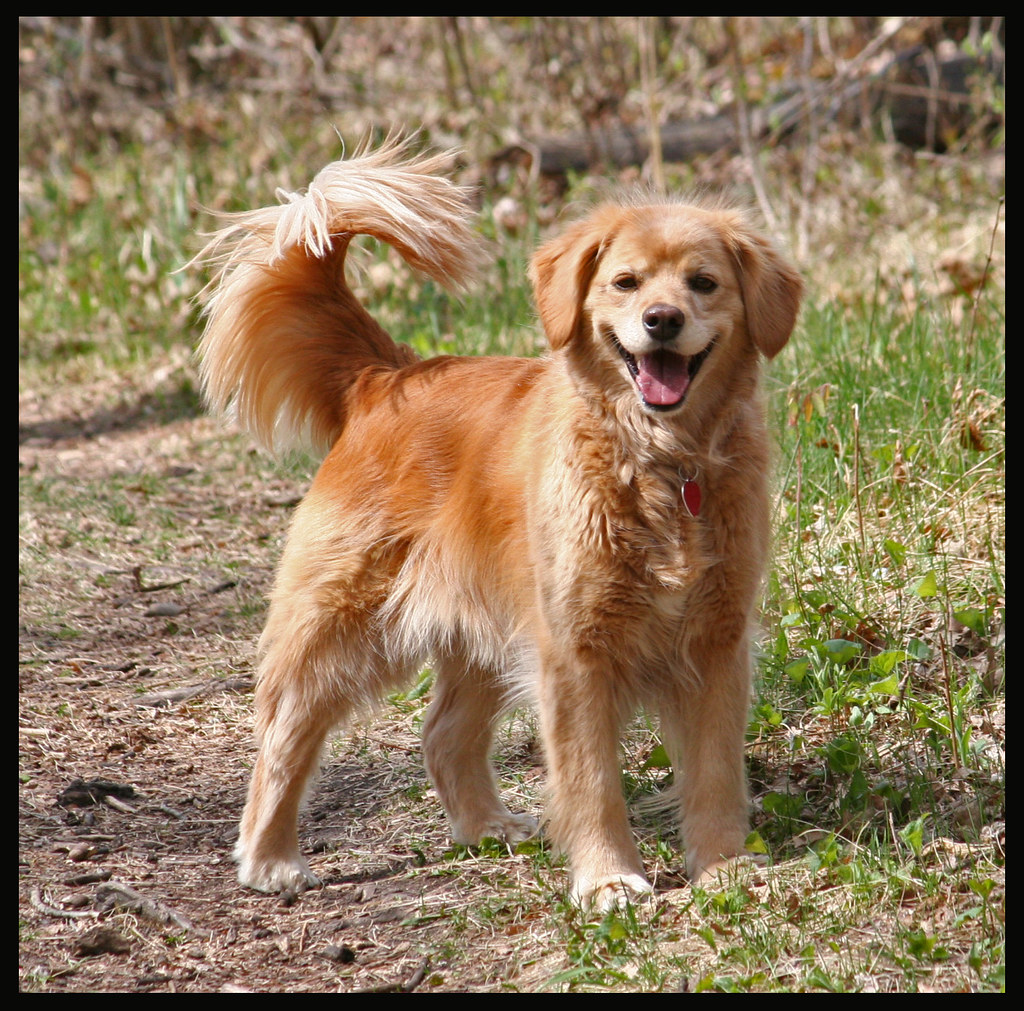
This is my dog Emily, rescued from a South Carolina shelter, well loved and cared for. She might not win any beauty contests but she is a treasure to me.


Tuesday, June 10, 2008

Land O' Lakes Purina Feed Recalls Lamb Feed

UPDATE - June 12, 2008:  The FDA has updated its release and there are now four lamb feeds being recalled due to lambs dying.  Full updated release here.

As I have previously wondered when Purina recalled aflatoxin contaminated horse feed, is there any possibility of cross contamination to Purina pet foods from the recalled livestock feeds? Any sharing of ingredients, suppliers, storage facilities or processing equipment between the livestock feed manufacturing and pet food manufacturing?  I sure would like to know.  But Purina says that's "proprietary information" and won't answer those questions.  All we can do is hope that the pet food is safe.

Original post:

From the FDA:


"The Land O'Lakes Purina Feed plant in Fremont, Neb., has initiated a limited voluntary recall of two lamb feed products due to higher than acceptable levels of copper.

[...]

The recall was initiated after receiving a customer complaint regarding the products. In addition, Land O'Lakes Purina Feed stopped producing the lamb feeds at the Fremont, Neb. plant and immediately began product testing.

To date, the presence of copper above acceptable levels has been found, which can cause serious health issues, and at high levels, mortality in sheep."

Full release here.

Sunday, June 8, 2008

Heartworm Medications by the Numbers - Dosages for Dogs


Note: I did not go to Vet school and I'm not giving medical advice. For informational purposes, and because I like to research numbers, I'm sharing here some canine heartworm medication dosages along with sources for that information. If you have any questions about the medication you are giving your dog or if you want to make a change to the dosage, please ask your Veterinarian.

***

Heartworm drugs kill certain stages of heartworm larvae which may have developed in the dog's bloodstream over the previous 30 days. This is commonly referred to as "heartworm prevention" although that is rather a misnomer. Perhaps it would be more accurately termed "prevention of heartworm larvae developing further". The two most common heartworm drugs are Ivermectin and Milbemycin Oxime.

The minimum dosage of Ivermectin for heartworm prevention is 6 micrograms (mcg) per kilogram (kg) of body weight, every 30 days. For us non-metric-enians, that's 2.72 mcg per pound (lb) body weight.

Some brand names of FDA approved Ivermectin tablets which your Vet may sell or you might order online are Heartgard (or Heartgard Plus which adds an intestinal dewormer to the Ivermectin), Tri-Heart Plus (Ivermectin plus intestinal dewormer), (Note: Tri-Heart got into some trouble with the FDA in 2007 over their claim of the product's effectiveness against whipworms) and Iverhart who offers two products - both containing Ivermectin plus intestinal dewormers.

Rather than manufacture and market dozens of different products for various weights of dogs, pharmaceutical companies typically market just a few products, each one with a range of weights to be treated. For example, a product labeled "for dogs up to 25 pounds" contains the Ivermectin needed for a 25 pound dog. All dogs weighing less than 25 pounds are receiving more than the minimum Ivermectin necessary for heartworm prevention.

In order to dose specifically for the weight of an individual dog, some owners opt to purchase the 1% Ivermectin solution injectable labeled for cattle and dilute it with a suitable liquid (Ivermectin does not mix evenly with all liquids which would throw off the dosing) such as propylene glycol. Or you could purchase the Ivermectin already diluted. The 1% Ivermectin solution contains 10mg (10,000 mcg) per ml. (Note: 1ml=1cc) Diluted to .05% (a 1/20th dilution), each ml contains 500mcg. Looking at Chart A, a 50 pound dog needs a minimum of 136mcg of Ivermectin. Using the diluted solution, that would be about .27 of a cc given orally - not injected. Clearly a tuberculin syringe would be needed to measure this dosage. Alternately, the 1% Ivermectin solution could be diluted further. Note: Many Vets discourage this "off label" use of the cattle version of Ivermectin in dogs as it is not FDA approved. Vets are obligated to advise their clients to use the FDA approved versions of canine heartworm meds on the market - that doesn't mean it's unsafe.

The lethal dose for Ivermectin is 10mg/kg in rats. This is a huge dose. Super huge. In other words, Ivermectin is a very safe drug (unless your dog happens to be sensitive to it).

Which brings me to my next topic: opting to give your dog more than the minimum required dose. Many people choose to give more than the minimum Ivermectin dose:
- Those who like the convenience of purchasing the medicine in a dose for the top of the weight range but whose dog weighs less
- Those who add the diluted Ivermectin liquid to the dog's food and don't want the worry of "What if a minuscule amount got left in the food bowl and my dog got shorted?"

So how much more than the minimum is proven safe to give on a monthly basis? To answer that conservatively, we can look at the bottom weight range in the pre-packaged Ivermectin tablets. For example, if you follow the package instructions for a 51 pound dog, you are giving approximately twice the minimum required Ivermectin each month. Same for a 26 pound dog - the label instructs you to give one tablet monthly and that tablet contains approximately twice the amount needed for the dog's weight. So the manufacturers and the FDA have approved routine monthly dosing of twice the minimum required amount of Ivermectin for dogs. If you are curious about giving more than twice the minimum dosage monthly, check with your Veterinarian.

***

The other drug commonly used for heartworm prevention is Milbemycin Oxime and is marketed under the brand name Interceptor as well as others. This drug is administered to dogs at a dose of 0.5 mg/kg body weight (.23 mg/lb) every 30 days. At this dosage, the drug works against heartworm and intestinal parasites. If you are wanting to use the drug for heartworm prevention only, you'll want to use the "Safeheart dose". (Safeheart was approved by the FDA in 1998 but never sold in the US.) The FDA states:
This supplement provides for a change in dose for dogs from a minimum of 0.5 mg/kg [which is the Interceptor dose, which also controls intestinal parasites] to a minimum of 0.1 mg/kg with a corresponding restriction in indications to the prevention of heartworm disease only. [bracketed addition=mine]
Interceptor is packaged in the following dosages: 2.3mg tablets, 5.75mg tablets, 11.5mg and 23 mg tablets. Looking at Chart B, the 2.3mg tablet would be the right dosage for a 45 pound dog if you wanted heartworm prevention ONLY. If your dog weighs less than 45 pounds, I don't know of any options for purchasing smaller doses of Milbemycin Oxime in the US. Splitting pills is one alternative some people use with due care.

Further reading:

Dr. Khuly's pitch for doing your "civic duty" and giving your dog heartworm meds


Dr. Khuly writes about a few of the reasons owners don't give heartworm meds when they really should

Wednesday, June 4, 2008

Vets Uninterested in Pet Food Safety?

Petfood Industry Magazine has an article online regarding the attitude of Vets toward pet food. The author, a Veterinarian and pet food industry consultant, gave a series of talks at a veterinary conference and wrote the article characterizing some of the feedback he got from attendees.

A couple points of interest: Vets are apparently being hit by a "barrage of misinformation" regarding pet foods which clients bring to them via that Internet thingy. The author recommends providing Vets with "sound facts" to defend against the assault. My suggestion: How about putting truthful information that pet owners want and need to know on your labels and on your websites? You know, you could actually improve that stupid series of tubes with "sound facts". Why not start with country of origin for your ingredients as well as the name and address of your manufacturer? Then we can talk.

Also interesting to me was the fact that the author's talk on pet food safety was the least attended in his series. He observes: "I would have thought the recalls last year would have sparked more interest..." Yeah, go figure. It's almost as if the pet food industry minimized the 2007 recall to the point of it barely registering on the safety radar.

Read the full article here. Note: click on Contents and then Petfood Insights.

Monday, June 2, 2008

Treats on the Internets


Interesting stuff...

1. The Blue Dog State Blog is reporting that there's a new chief of the SPCA in Schenectady, NY and although one might assume helping animals would be high on his list of priorities - not so much. It's more to the tune of guns and arrest numbers. Scary!

2. AP article touching on the many ways pets and their owners have been affected by the economy:
Linda Pouliot, executive director of the Franklin Food Pantry Inc., said her organization has been struggling to keep up with demand as it serves about 2,200 people, two-thirds of whom have pets.
“When we first started, people couldn’t believe there’d actually be pet food because often times they’d take six or eight cans of tuna and we’d find out they weren’t actually eating it themselves — they were feeding the cats because they couldn’t afford pet food,” she said.
Full article here.

3. BAD RAP wonders if PETA is right when it says that nice people don't adopt pit bulls from shelters. They have issued a call for adopters to send in their "thug" stories to be shared on the blog. Yo.

Sunday, June 1, 2008

Choosing a Dog Food: Ten Things to Avoid

Guard dog


1. Meat or Meat Meal: Hey, if they can't get any more specific than that, I'm going to assume only my hairdresser knows for sure. Mystery meat, 4-D, whatever you want to call it - just don't call it dinner.

2. Brewer's Rice: Alcohol industry waste product which if not bought by pet food companies, would otherwise end up in the trash bin. AAFCO allows this ingredient to contain "spent hops in an amount not to exceed 3 percent." Spent hops, when ingested by dogs, can be fatal.

3. Corn Gluten Meal: Waste product from facilities manufacturing corn syrup, used in the extrusion process to bind kibble. Corn gluten is one of many known contaminated pet food ingredients to have poisoned pets in the past. Wheat gluten and rice gluten fall into this same category.

4. By-Products: Not that dogs couldn't or shouldn't occasionally eat the animal bits that humans don't (such as spleens, stomachs and feet), but they should not be the main or sole source of animal protein in the food. Unless the bag of food specifically states the country of origin for the meat by-products and the manufacturer tells you they use only USDA inspected meat by-products, you really don't know what you're getting. And it may be terrible-awful. If you really want to feed occasional meat by-products, get some from your trusted local butcher.

5. Junk: Ingredients such as animal digest, sugar, sorbitol, corn syrup, artificial colors, ethoxyquin, BHA, etc. These unhealthy ingredients should not be part of a dog's daily diet. If you want to give your dog a "junk food" treat on occasion, take him out for an ice cream cone!

6. First Listed Ingredient Not a Meat Source: AAFCO requires ingredients to be listed in order by weight. Dogs need meat and although most kibbles are grain based, a specific meat source (such as chicken or chicken meal) should still be the primary ingredient by weight.

7. Foods Not Tested in Feed Trials: Sure AAFCO says it's OK to test foods in a lab - which happens to be way cheaper than conducting feeding trials - but how does chemical analysis reveal the bio-availability or digestibility of the food's ingredients? It doesn't. Manufacturers can choose to conduct feed trials if they want. And if I made a food, I'd sure want to know how it performed long term, when eaten by actual pets.

8. Expired Foods: You'd think it would be a simple enough task for stores to check and rotate their stock to avoid having expired foods on the shelves. You'd think. I find expired pet (and human) foods on the shelves regularly. So, since some retailers aren't doing their jobs, you'll have to look out for yourself by checking the expiry dates on foods before you buy. If you don't discover the food is expired until after you get home, bring it back to the store. If the manufacturer doesn't put a date on the food - no sale.

9. Companies Who Still Do Business with Menu Foods: Menu Foods had 9 feed trial cats die from their foods poisoned with melamine and cyanuric acid in 2007. They waited to issue a recall until Iams, who discovered the problem independently, forced the issue. During the lag time, Menu's CFO dumped half his company stock. O yeah and also during this lag time, untold numbers of pets became ill and died. Menu hasn't cleaned up its act, or its ethics. Any company who still uses Menu to make their canned foods has, at best, a questionable sense of judgment.

10. Companies Who Won't Answer Reasonable Questions: Pet food companies can and should provide honest answers to consumers regarding the following: What is the country of origin for your ingredients? What is the name and address of the manufacturer of your foods? Do you test your ingredients and/or finished product prior to shipment? If so, are these test results available to the public? (And while I'm dreaming, how about just putting all that info right on the label? Make it tiny print, I don't mind.) Some companies won't answer these questions. They like to say it's "proprietary information". I like to not buy their products.

Additional reading:

Salon.com's "The Truth About Cat and Dog Food"

API's "Get the Facts: What's Really in Pet Food"

Tuesday, May 27, 2008

Research Dogs in Need - Raleigh, NC

UPDATE, May 28: The News & Observer is reporting that the future looks bright for the research dogs:
...arrangements have been made for three of them already. And enough people have called in that the other six will be placed in homes, too...
Thank you BB for the tip.

Original Post:

Dogster is reporting that nine research dogs are in immediate need of adoption at the Vet school in Raleigh. Full details, including photos of the dogs, are on the Dogster blog.

Sunday, May 25, 2008

SC Works Toward Helping and Banning Pit Bulls Simultaneously

From the Columbia Star:

Chance, an eight-month male pit bull, and Carmella, a one- year female pit bull graduated from obedience school, the second phase of the rehabilitation in the Humane Society's program to get them ready for a new life with a permanent family.

Chance and Carmella were put on the fast track of the "recycle- a- bull" project (a program of the HSPCA that takes pit bulls from abusive- /neglectful situations and rehabilitates them to become adoptable companion pets). From there, they were fostered in homes to become socialized, a crucial step to acclimate their comfort level with humans and other dogs. Eight weeks of obedience training followed.

Their graduation falls on the heels of a new bill, 5010, introduced by Rep. Jeffery Duncan, that specifically names pit bulls as dangerous animals and leaves interpretation of any other "dangerous" breeds up to local government to ban or put further regulations on. These proposed changes to section 47- 3- 710 of the South Carolina Code of Laws places the blame and burden of responsibility on the breed, not the irresponsible owner.


Full story here.

The full text of SC House Bill 5010 can be found here. The line about a dangerous animal can not be determined "solely by virtue of its breed" has been stricken. If you want to contact Rep. Duncan regarding this piece of proposed legislation, his contact info is below. Here is what the HSPCA wrote to Rep. Duncan.

Representative Jeffrey D. Duncan
District 15 - Laurens & Newberry Cos.
327B Blatt Bldg.
Columbia, SC 29201

(803)734-2974

e-mail: DuncanJ@schouse.org


Saturday, May 24, 2008

Pet Food Ingredient Breakdown - #1

In my never ending quest to find a great dog food, I recently looked at a premium (AAFCO approved) brand of so-called "natural" kibble which advertised that it contained no ground corn. I know this is an important issue for some pet owners as they don't want to feed corn due to potential allergies and/or the possibility of aflatoxin contamination. So I looked at the first three ingredients on the bag since the food would contain more of these (by weight) than any of the other ingredients listed. They were: Lamb, brewers rice, corn gluten meal.

1. Lamb - I could not find a direct AAFCO definition but presumably, it's lamb meat (with or without bones?), which would be largely water. After cooking/processing, the amount of lamb meat remaining ("lamb meal") is greatly reduced and would most likely not be the first listed ingredient in the food. I consider this a way to fool consumers into thinking they are purchasing a meat based food when in fact they are not. Note: The label indicated the lamb meat originated in two foreign countries but I don't know whether it was inspected by any human food agencies since that information was not provided.

2. Brewer's Rice - AAFCO's definition states "the dried extracted residue of rice resulting from the manufacture of wort (liquid portion of malted grain) or beer and may contain pulverized dried spent hops in an amount not to exceed 3 percent." My version: Alcohol industry waste product which if not bought by pet food companies, would otherwise end up in the trash bin. Note: Spent hops, when ingested by dogs, can be fatal.

3. Corn Gluten Meal - AAFCO defines as "the dried residue from corn after the removal of the larger part of the starch and germ, and the separation of the bran by the process employed in the wet milling manufacture of corn starch or syrup, or by enzymatic treatment of the endosperm." My version: Waste product from facilities manufacturing corn syrup. Note: this dog food is not sounding so good for pet owners trying to avoid feeding corn after all.

A more in-depth explanation of corn gluten meal:

Corn gluten meal (CGM) is a co-product from corn wet milling, the process responsible for production of corn sweeteners and corn syrup. In the wet milling process, corn is cleaned and then steeped in a water/sulfur dioxide mixture at 50°C. This acidic stew activates the inherent lactobacillus organisms, which begin to break down the corn seed.

The water and germ are then separated from the flint and protein by a water cyclone and the resulting material is ground. Hulls are removed by screening and the protein is separated from the starch by centrifugation. The protein (gluten) mash is then dried and sized. Corn gluten consists of four major classes of protein: Albumins, globulins, glutelins and zein (prolimines). While corn gluten doesn't have the same level of functionality as wheat gluten for bread production, it does retain some functional proteins that are beneficial in extrusion.

Extrusion of course, is how most kibble is made.

Overall product ingredients review: Truth in advertising? Hmm, not so much - particularly with respect to the "no ground corn" claim which the company knows, or should know, will attract consumers looking for a food free of corn and corn products, which this food isn't. 2 out of 3 main ingredients are waste products from other food industries and the primary ingredient ("lamb") is mainly water. I'm not inclined to look favorably on the product.

My quest will continue.

Thursday, May 22, 2008

Purina - Got Aflatoxin?


I tried to get answers to my previously posted questions regarding the aflatoxin contaminated mystery ingredient in livestock feeds recalled by Purina Mills. Specifically, I asked Purina:

1. Which ingredient it is they are talking about
2. Who the supplier is
3. What other companies might be facing the same problem (as indicated in Purina's own statement)
4. Was any of this ingredient used in other feeds, such as dog food.

The first response I received said basically that Ralston Purina (makers of dog and cat foods) sold the part of the company that makes livestock feeds to Purina Mills and we don't know nuffing about their recall. I was not satisfied with this response. (Shocking, I know.) So I wrote again, this time asking:

Do Ralston Purina (makers of dog and cat foods) and Purina Mills (makers of livestock feeds) share any ingredients, processing equipment, suppliers or storage facilities?

Clearly, this would be vital information with respect to trying to figure out if Purina's dog and cat foods are 100% safe from the aflatoxin mystery ingredient in the Purina livestock feeds. And in the absence of any official response from the company stating that in fact, the dog and cat foods are safe, I'm trying the long way around to find my answers. Alas, the response I received to that query was the old We-can't-tell-you-that's-proprietary-information line we all became so fond of hearing during the 2007 pet food recalls.

So while I hoped to report that yes, Purina is answering questions and reassuring consumers their dog and cat foods are safe from the aflatoxin ingredient, I can not do so. I can only hope that just because Purina appears to be dodging the issue and engaging in the kind of deceptive non-responses consumers got so tired of last year, the pet foods really are safe.

Monday, May 19, 2008

Hello Purina? Anyone Minding the Store?

When Purina declined to go public with their aflatoxin contaminated livestock feed recall in March, they figured out (by May) that didn't look so good. So they tossed up a fancy worded statement on their website. Well Purina, the fact that your company is not answering queries or providing information to reassure dog and cat owners that Purina pet food is safe also doesn't look so good. Is it too much to ask to at least put up a response on your website stating that pet owners don't have to worry because the aflatoxin contaminated mystery ingredient in your livestock feeds did NOT make it into your dog and cat foods? How about naming the supplier of the mystery ingredient so people who feed other brands can ask those companies if they buy from that supplier? (Especially given that it was your own statement which cast doubt on the safety of products made by other companies who bought from your supplier.) Or even naming the ingredient so pet owners can choose to buy food without that ingredient in it if they want? Anything?

Pet owners may recall that Purina dog foods have been called into question regarding aflatoxin contamination as recently as last year.

Referencing Land O'Lakes spokesperson Lydia Botham, this article at thehorse.com states:
"Botham said the aflatoxin was discovered through routine product testing performed by a state regulatory agency, with results confirmed by company testing." So if the state agency hadn't caught the aflatoxin, the company may never have "confirmed" it? (Note: Purina's updated statement on their site says, "In mid-February our own incoming ingredient testing and routine state regulatory testing simultaneously indicated aflatoxin above FDA action levels in certain feeds..." which sounds rather different from Botham's earlier statement.) If in fact the state agency caught it first, then this bit: "Botham said there have not been any confirmed health complaints due to aflatoxins related to the current recall of feed." is a horse of a different color, wouldn't you say? Maybe a state agency hasn't forced Purina to be in a position to confirm any health complaints - yet. I don't know. I'm speculating. Because right now, that's about all I can do unless Purina decides to speak up.

Sunday, May 18, 2008

Don't Touch That Pet Food


Purina's recall of aflatoxin contaminated animal feed earlier this month has been widely reported to the public - not by Purina, who chose to contact their dealers directly - but by bloggers, including Petsit USA. From Purina's recall (which they call a "retrieval") statement: "Our investigation and product testing identified one ingredient of concern, which originated from a single supplier. We have discontinued purchasing from this supplier. Other feed companies that purchased from this supplier are facing a similar situation." (emphasis mine)

1. I don't know which ingredient it is they are talking about
2. I don't know who the supplier is
3. I don't know what other companies are facing the same problem because none of them have "retrieved" their products to my knowledge
4. I don't know if any of this "ingredient" was used in other feeds, such as dog food.


Highlights from this article on the Purina aflatoxin recall echo some of my own concerns:

  • Land O’Lakes Purina Feed LLC announced a recall of several varieties of horse, goat and pig feed...
  • Purina’s statement said the ingredient of concern came from one supplier, but the company declined to identify either the ingredient or the supplier...
  • Purina has not identified whether the supplier in question in the recall is a domestic or overseas company.
***

Meanwhile, the CDC has confirmed that the human Salmonella outbreak in 2006 was attributable to dry dog food. Both the CDC and the FDA recommend that people use precautions before and after touching pet food and treats to minimize the risk of transferring possible bacteria in the food. But um, I guess it's still fine for our pets to actually eat this stuff (and in fact only this stuff, since "table scraps" are discouraged)?

Saturday, May 17, 2008

Homeless Pets Languish Due to Lack of Animal Control in Rural South


We often hear about the high kill rates of animal shelters in the South. The Columbia Animal Shelter in South Carolina for example has an approximate 80% kill rate (the 20% save rate includes owner redemptions). State or locally funded shelters in North Carolina averaged an approximate 77% kill rate for the years 2001 - 2006.

But homeless pets in the South face another problem as well: many rural areas lack animal control officers and facilities. In McCormick County, SC stray animals rely upon the kindness of volunteers to tend to them at an outdoor kennel. If donated food runs out, volunteers sometimes dip into their own wallets to feed homeless pets.

Burke County, Georgia is another such area - no animal control or shelter to help the many stray pets who are living and dying in the community. Some residents are upset by the situation and want a shelter for their area but county leaders say there isn't enough tax money. "One county commissioner says an animal shelter could cost about as much as it does to keep deputies on the road there." This attitude, if embraced by all who have a say, will surely spell defeat for the idea. The implication being that the residents must choose - police helping people or animal control helping pets. But of course it's not that dire. There are alternative methods to funding a shelter which the community can pitch in and work toward. The money does not have to come out of the allowance for deputies. A referendum will appear on the ballot in July in order for Burke County voters to decide what direction to move regarding animal control.

If you are a resident of an area with no or insufficient animal control services, please visit the No Kill Advocacy Center to learn about transforming your community into one which saves pets' lives.